Few things send a dog owner into a panic faster than watching their pup vomit. The good news: occasional vomiting in dogs is often mild and manageable at home. The bad news: sometimes it signals something that needs urgent veterinary attention.
Here is how to tell the difference.
When It Might Be Nothing Serious
Dogs vomit for reasons that have nothing to do with disease. They may eat too fast, swallow air while gulping food, or simply have a sensitive stomach that reacts to a sudden diet change. Eating something non-digestible — grass, a piece of toy, trash — can also trigger a single episode of vomiting without lasting consequences.
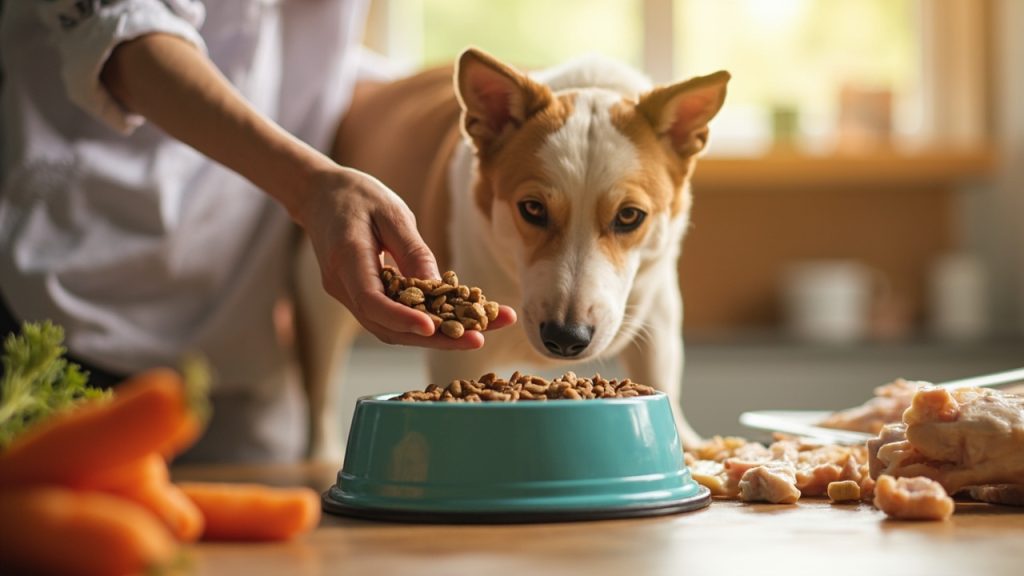
If your dog vomits once, seems otherwise normal, and goes back to eating and drinking normally within a few hours, you can usually monitor at home. Withhold food for 6 to 12 hours, offer small amounts of water, and reintroduce a bland diet — boiled chicken and rice, for example — over the next day or two.
Keep a close eye. Note the time, what your dog ate, and what the vomit looked like. This information helps your vet if symptoms persist.
Red Flags That Need a Vet
Some signs suggest the vomiting is not a simple stomach upset.
Blood in vomit — regardless of amount — always warrants a vet visit. Fresh red blood suggests irritation in the esophagus or stomach lining. Dark, coffee-ground-looking blood points to bleeding deeper in the digestive tract. Neither should wait until morning.
Vomiting along with lethargy, diarrhea, loss of appetite, or fever. These together suggest a systemic problem rather than a one-off stomach upset.
Repeated vomiting with nothing coming up. If your dog heaves repeatedly and produces nothing or only foam, it could indicate bloat, an obstruction, or acid buildup. This is time-sensitive.
Vomiting in a puppy, a senior dog, or a dog with a known health condition. Very young and older dogs dehydrate quickly. Dogs with diabetes, kidney disease, or other chronic conditions need prompt evaluation.
Common Underlying Causes
Getting to the root cause matters because treatment depends on what triggered the vomiting in the first place.
Dietary indiscretion. Eating something rotten, fatty, or simply unfamiliar is the most common cause. Switching to a high-quality, easily digestible food often helps prevent repeat episodes.
Food allergies or intolerances. Some dogs react to specific proteins, grains, or additives. Chronic vomiting alongside skin issues or ear infections may point in this direction.
Parasites. Worms and protozoa like giardia irritate the gut and commonly cause vomiting in dogs of all ages. Regular deworming and clean water help prevent this.
Foreign objects. Dogs swallow toys, socks, bones, and all kinds of things they should not. A intestinal blockage from a foreign object is a surgical emergency.
Infections. Bacterial, viral, and fungal infections can all present with vomiting. Parvovirus, in particular, is severe and preventable with vaccination.
Organ disease. Kidney disease, liver problems, and pancreatitis can all cause vomiting as a secondary symptom. Blood work and imaging help rule these out.
What Your Vet Might Do
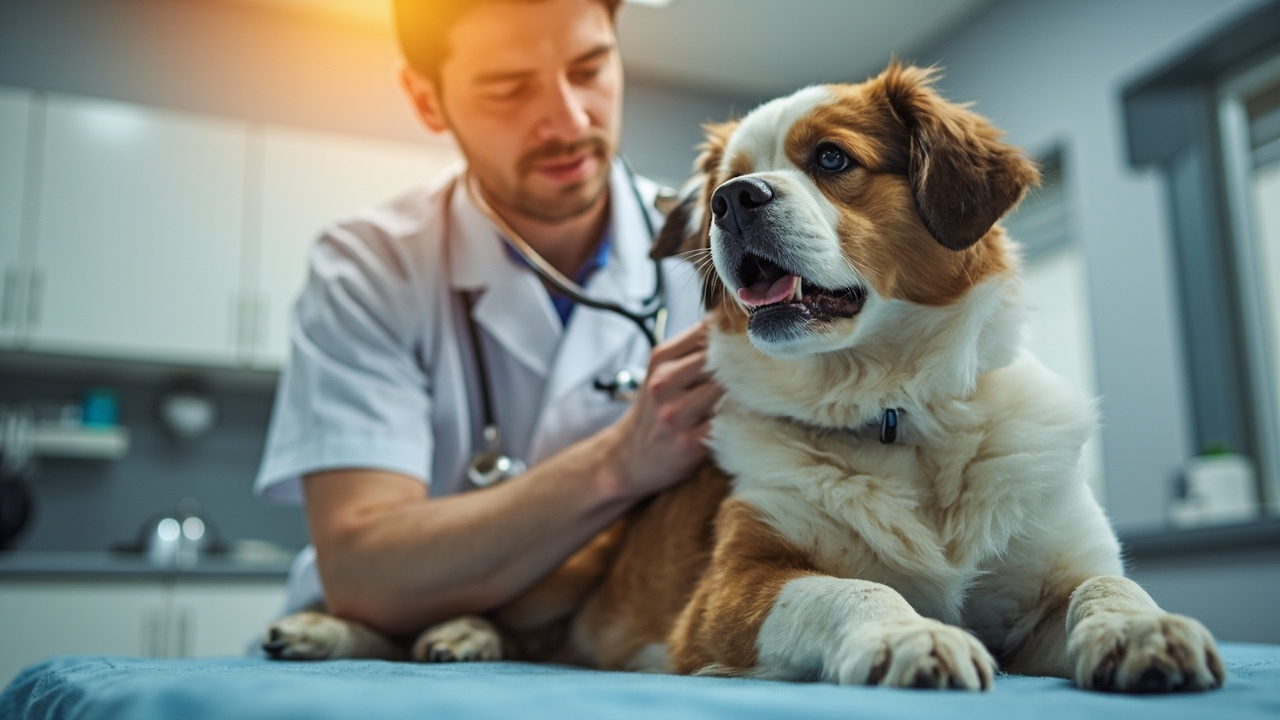
When you bring your dog in, the vet will start with a physical exam — checking gums, hydration, belly palpation, and temperature. From there, diagnostics may include blood work, fecal analysis, X-rays, or ultrasound, depending on what they suspect.
Treatment ranges from subcutaneous fluids and anti-nausea medication for mild cases, to IV fluids, antibiotics, or surgery for more serious situations.
How to Reduce Vomiting Episodes at Home
- Feed smaller, more frequent meals. Two meals a day for adult dogs is fine, but splitting that into three or four portions reduces stomach overload.
- Use a slow-feed bowl. Dogs who gulp air alongside food are more prone to vomiting. A slow feeder or puzzle feeder slows eating and reduces air intake.
- Keep the trash cans sealed. Kitchen waste, discarded food packaging, and compost are irresistible to many dogs — and a common source of trouble.
- Transition foods gradually. Mix the new food with the old over 7 to 10 days.
- Secure medications and supplements. Some human medications and even dog NSAIDs can cause stomach upset if accessed unsupervised.

The Bottom Line
One episode of vomiting in an otherwise healthy, alert dog is usually not an emergency. Monitor, withhold food briefly, and see how your dog responds over the next 12 to 24 hours.
If vomiting recurs, contains blood, or comes alongside other concerning symptoms, call your vet. Early intervention makes a meaningful difference in outcomes for the conditions that are genuinely serious.