
Why Is My Dog Getting Fat? Understanding Canine Obesity
Walk through any dog park and you’ll notice something troubling: a growing number of pups are overweight. About 65% of dogs in the United States are classified as overweight or obese—two out of every three dogs you see may be carrying excess pounds. Yet most owners barely notice until the damage is done.
Excess body weight isn’t just a cosmetic concern. It actively shortens your dog’s lifespan and sets the stage for serious medical conditions. The good news? Obesity is almost always preventable and treatable with the right approach.
What Exactly Is Obesity in Dogs?
Dogs weighing at least 10% above their ideal body weight fall into the “overweight” category. When they hit 20% over ideal weight, veterinarians officially call it obesity. That distinction matters—those excess 10 percentage points make a meaningful difference in health risk.
A healthy dog should display an hourglass shape when viewed from above. You should be able to feel the ribs with gentle pressure but not see them prominently. There should be a visible tuck-up in the belly just ahead of the hind legs.
Health Risks Linked to Excess Weight
Fat isn’t inert tissue—it actively damages your dog’s body. Obesity significantly increases the risk of:
- Arthritis — Excess weight stresses joints, accelerating cartilage wear
- Pancreatitis — Fat-laden diets can trigger dangerous inflammation
- Kidney disease — The kidneys work harder under increased metabolic load
- Respiratory problems — Fat deposits around the chest cavity restrict breathing
- Heart disease — The cardiovascular system strains to pump blood through a larger body
- Diabetes — Excess fat disrupts normal insulin function
- Reduced lifespan — Studies consistently show obese dogs live shorter lives
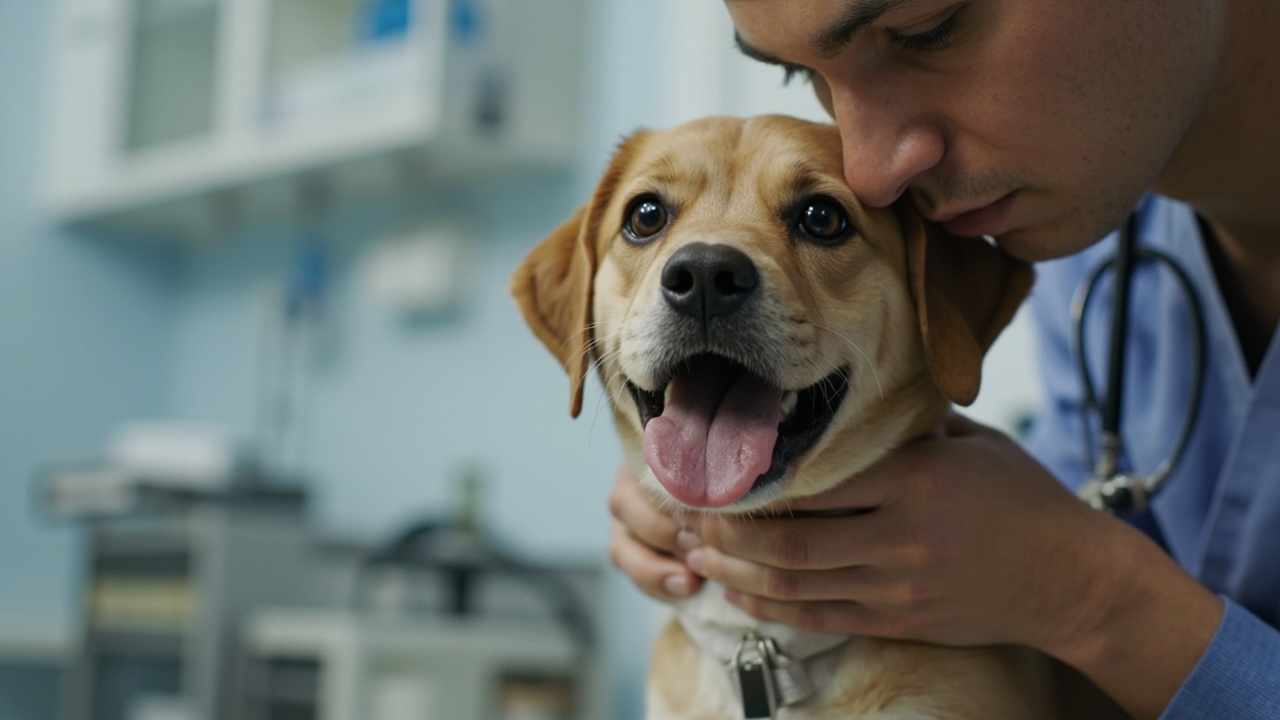
Overweight dogs also face higher anesthetic risk during surgery and recover more slowly from illness or injury. Their quality of life suffers—playtime becomes exhausting, and heat tolerance drops dangerously.
Why Dogs Gain Weight: The Usual Suspects
In most cases, obesity comes down to three factors: too many calories, too little movement, or both. Let’s break these down.
Overfeeding
This is the primary driver. Owners often underestimate how many calories their dog actually needs. Beyond regular kibble, treats—commercial dog treats, table scraps, even bits of cheese during training—accumulate fast. A single large biscuit can equal a whole meal’s worth of calories for a small dog.
Lack of Exercise
Dogs evolved for daily physical activity. When walks get shorter, backyard time replaces active play, or the dog simply doesn’t get enough stimulation, calories go unburned. The result is predictable.
Medical Conditions
Some dogs gain weight due to underlying disease. Hypothyroidism slows metabolism, while Cushing’s disease causes abnormal fat distribution. These conditions require veterinary diagnosis and specific treatment—not just diet changes.
Breed Predisposition
Certain breeds face higher obesity risk: Labrador Retrievers, Golden Retrievers, Cocker Spaniels, Dachshunds, Beagles, Boxers, and Pugs all tend toward weight gain. If you own one of these breeds, additional vigilance with portions and exercise is essential.
How Vets Diagnose the Problem
Your veterinarian uses body condition scoring to assess weight. The most common systems use either a 5-point scale (3 is ideal) or a 9-point scale (4-5 is ideal). During a weight check, your vet looks for that hourglass shape, checks rib coverage, and tracks weight trends over time.
Blood work often accompanies the exam to rule out thyroid or hormonal causes. Sudden weight gain without dietary changes warrants additional testing to check for fluid accumulation or abdominal masses.
Getting the Weight Off: Treatment That Works
Safe, sustainable weight loss combines two elements: dietary adjustment and gradually increasing exercise. There’s no shortcut.
Diet Changes
Start by eliminating excess calories—treats, scraps, and any food offered outside measured meals. Switching to a prescription or over-the-counter weight management formula often helps. These diets provide adequate nutrition while reducing caloric density.
A realistic target is losing 1-2% of body weight per week. Faster loss risks losing muscle mass instead of fat, which worsens long-term metabolic health.
Measured feeding matters enormously. Use a proper measuring cup or kitchen scale. Split daily calories into two meals rather than free-feeding. Those feeding guidelines on dog food bags are just starting points—many dogs need significantly less.
Exercise Protocol
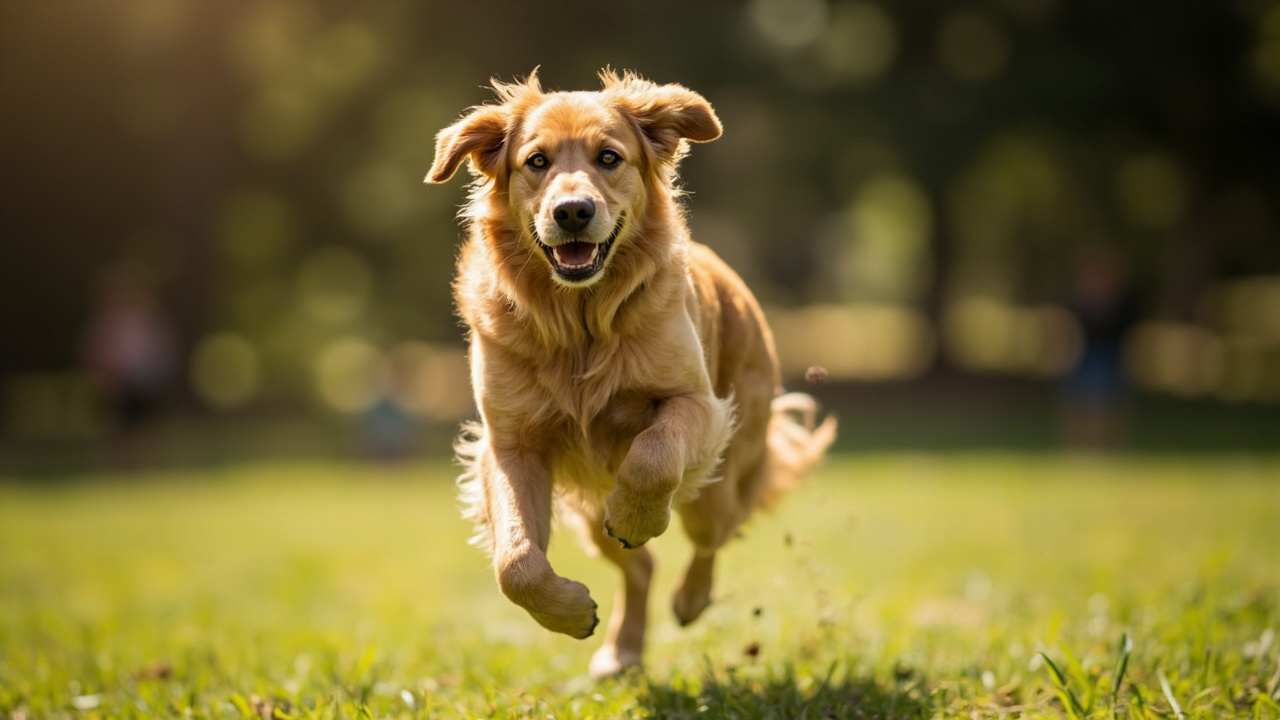
Begin where your dog is. For an overweight or out-of-shape dog, this might mean two 10-minute leash walks daily. Build gradually to 15-30 minutes per session. As fitness improves, extend duration and intensity.
Options beyond walking include fetch, swimming (excellent for arthritic dogs), puzzle toys that encourage movement, and indoor play on bad weather days. Senior dogs need specially tailored exercise plans that account for joint limitations.
Keeping It Off: Prevention Strategies
Once your dog reaches ideal weight, maintenance begins. Transition to a maintenance-formulated diet (not the weight-loss formula, which is too restrictive for long-term use). Continue measuring meals, limiting treats, and maintaining consistent exercise.
Prevention is straightforward: feed two measured meals daily rather than leaving food out, keep treats to a minimum, and ensure your dog gets daily physical activity. Regular weight checks at the vet catch small gains before they become big problems.
Please consult your veterinarian before starting any weight loss program. They can rule out medical causes, recommend appropriate food amounts, and help you design a safe exercise progression. Weight loss done wrong—too fast, without adequate nutrition—can harm your dog.
Your dog depends on you to manage their health. Watching the scale isn’t vanity. It’s one of the most impactful acts of care you can offer.